The Dirty Jobs of Digital
Your flight’s cancelled. You pull out your phone and open the airline app. Now you’re navigating screens, checking rebooking options, trying to figure out where your bag went, finding the new gate, calculating if you’ll make your connection. Tapping through menus. Piecing together information that should just already be there.
The person next to you pulls out their phone too, makes one call to their premier status concierge line, and ninety seconds later, they’re rebooked on the next available flight.
You are both stuck with the same problem, but they had access to a person who would navigate the complex systems for them.
The app is designed around system constraints rather than human needs. “Good service” in most airlines means assigning a human to do the coordination work, but only if you fly enough to earn it.
But why is a human being saddled with doing this coordination work in the first place?
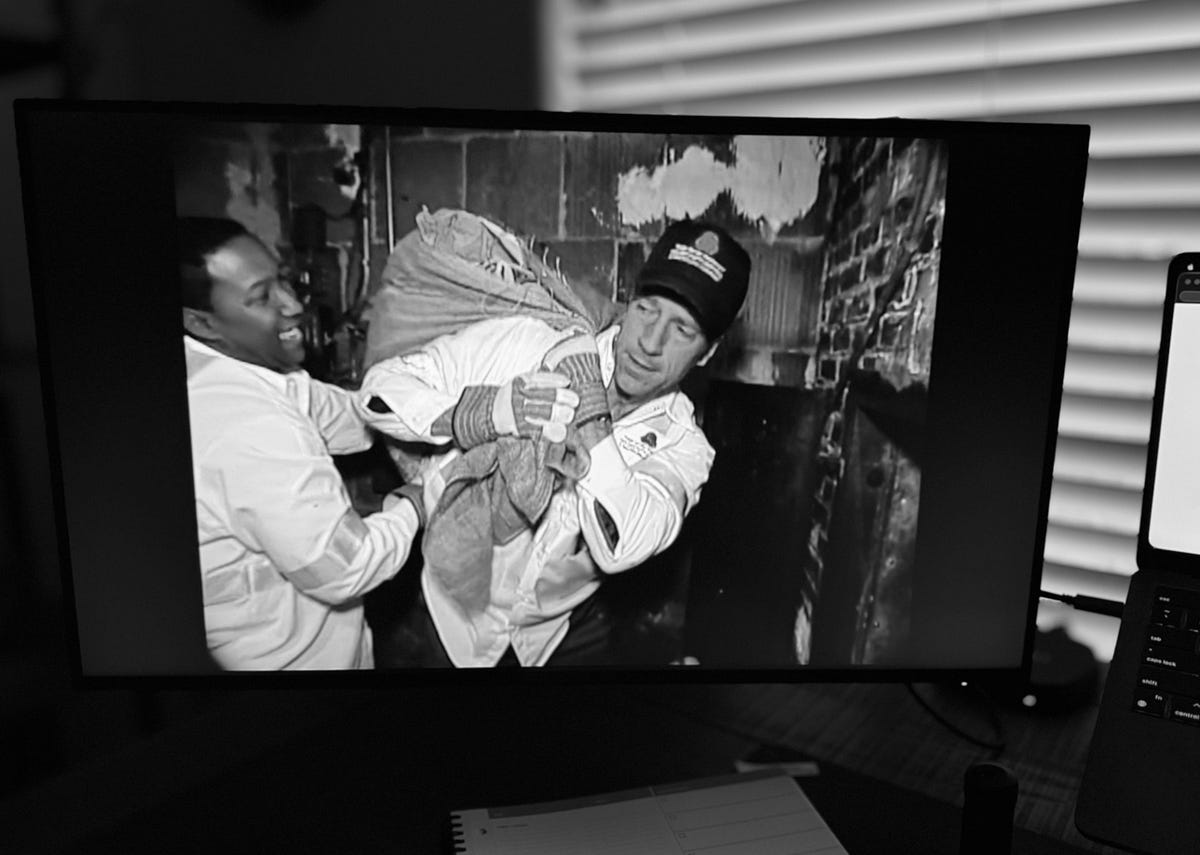
This pattern appears everywhere in operational industries. The same swivel chair work, different systems. It’s what I’ve spent twenty-five years fixing. Until recently, I couldn’t explain what I do without sounding like I unclog digital pipes. Then I found the right frame: I’m the Mike Rowe of digital products.
The Unglamorous Industries
I’ve never worked at a hot startup or huge tech company.
Much of my career has been in Telecom. Distribution. Workforce management. Complex operational businesses where things have to work reliably at scale. The industries most product talent actively tries to avoid.
These businesses desperately need strategic product thinking and AI capability, but more than that, they need leaders with empathy.
“Operational excellence” without empathy creates dehumanizing experiences. We optimize systems for cost and efficiency while the humans using them (employees and customers both) are left to suffer. A long history of terrible enterprise software proves this.
Mike Rowe went beyond showing us that certain jobs exist (if you haven’t seen the show I highly recommend it), he celebrated the craft and respected the people doing essential work that others dismissed. That’s my approach to operational digital products. Not complaining about the work (because I enjoy it), but celebrating what it takes to do it right.
Humans as Middleware
The concept started on assembly lines. Workers swiveling their chairs between different workstations to complete a workflow. Then it moved to offices, with those same workers now swiveling between the typewriter and something else.
Now it’s digital. Humans operating as middleware between systems that won’t talk to each other.
That gate agent during your flight delay? Six different systems open on their screen. Entering the same customer information three times, not helping passengers in any meaningful way, just coordinating data between systems that should coordinate themselves. Being an API instead of using their actual expertise.
Field technicians have to enter identical information into multiple systems at every job site to complete a work order. Customer service representatives toggling between eight screens (and probably a manager) to answer a single question.
Skilled humans reduced to information coordinators. Their job becomes feeding the machine the right data to move forward, not providing actual value or insight.
Look at the other side and customers are doing the same thing, only it’s worse because they are paying for the pleasure of navigating that complexity.
Jumping between fragmented systems and workflows because your problem isn’t on the “easy fix” list. Explaining your problem three times because nothing (and nobody) shares context throughout your phone call. Tracking your own service ticket because the company won’t. Filling out forms with information you know the company already has.
Running these companies effectively is hard, but that’s not an excuse to push that operational complexity on to you.
That premium concierge agent who helped the person sitting next to you? They’re doing swivel chair work too, they’re just doing it FOR the high-value customer instead of making them do it themselves. Same complex systems underneath. Same coordination work required. We just decide who pays the human cost based on how much you fly.
The solution isn’t assigning more people to navigate complex systems for VIPs. The solution is asking why those systems require human navigation at all.
The AI Fork
AI is actually perfect for a lot of this work. Orchestrating data between systems, maintaining context across handoffs, ensuring information quality, coordinating workflows. Everything that currently requires human swivel chair work, AI can handle.
Companies face two paths:
Most will take the easy approach and automate existing workflows without questioning them. Make the app ‘smarter’ while keeping the same system constraints. The same workflow just runs faster.
The better path eliminates the unnecessary coordination work entirely, not just for premium customers, but for everyone. Use AI to handle the orchestration. Free humans (both employees and customers) to do work that actually requires human judgment.
Automation should only do what humans should not do. If work doesn’t require judgment, context, or empathy, if it’s purely mechanical coordination between systems, then humans shouldn’t have to do it.
For years, swivel chair work existed because training a human to coordinate between systems was cheaper and more flexible than building automation that could handle exceptions. Those economics have fundamentally shifted. The coordination work that required expensive custom integration or rigid workflow automation can now be handled by AI that actually understands context and adapts to edge cases.
Understanding what humans should NOT do is as important as understanding what AI CAN do.
What the Work Actually Requires
Technology should serve people, not the other way around. But most operational systems have this backwards.
When a gate agent enters the same customer information into three different systems, they’re serving the technology. When a customer navigates six fragmented screens to solve a problem the company already knows about, they’re serving your architecture. The swivel chair work exists because we built systems around our internal constraints and made humans adapt to them.
AI makes this fixable now. But fixing it requires product leaders who understand operational complexity, not just product craft. Most product frameworks assume you’re building a tech company where product IS the business. Operational industries will never be tech companies, and that’s fine. They need product excellence without becoming something they’re not.
The work is harder here. Product thinking has to integrate with operations and service delivery, not exist separate from it. Success looks like enabling the business, not standing separate from it. You’re optimizing for business outcomes while respecting that the product serves something larger than itself.
That’s why most product talent avoids these industries. The work done in these industries doesn’t usually show up in portfolio case studies or conference talks. It’s harder to explain, less celebrated, requires patience with operational complexity. It’s not glamorous, but it is essential. And it requires empathy to see when your systems force people to serve technology instead of the other way around.
More from Dirty Jobs
Accountability Without Authority: Why the Product Operating Model Breaks in Service Businesses
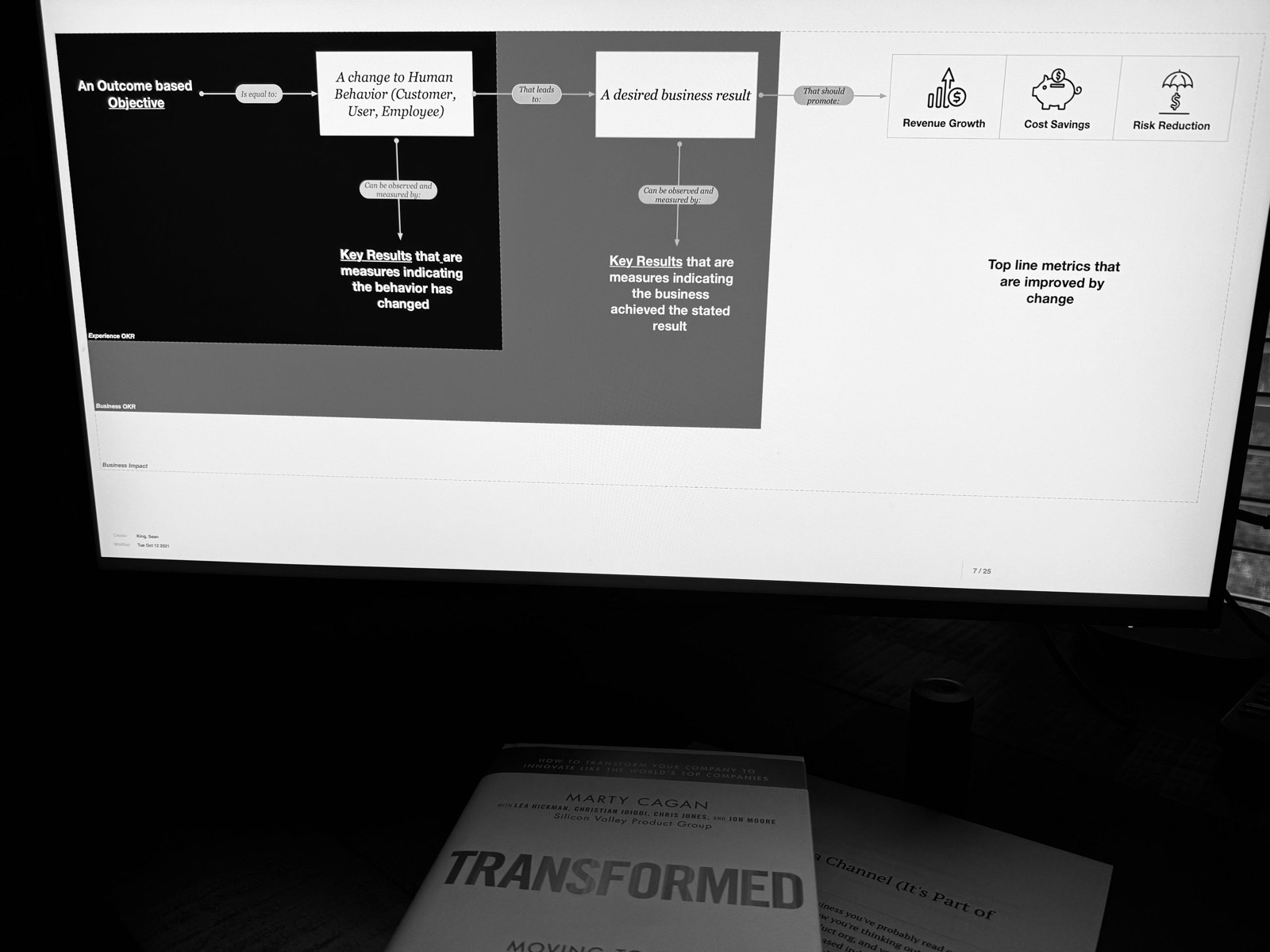
The product operating model assumes digital teams can own outcomes end-to-end. In service businesses, they can’t — here’s how to structure shared accountability.
Product Management Thinking Needs Translation for Service Businesses
Standard product metrics fail at service companies where software supports the business, not the other way around. Measure call deflection, service efficiency, and operational outcomes instead.